
Our Logo Story
The original Power-MI logo is slightly different than the current one. The original logo was made around 2014, and its original design was inspired by rotating vibrations inside an electric motor. 
When we started our market tests for the development of a predictive maintenance platform, we began presenting the logo to our users, and some of them asked us why we used a chicken logo. It caught our attention when we obtained the same observation from different users.
La historia de nuestro logo
El logo original de Power-MI es ligeramente diferente que el actual. El logo original se hizo alrededor del 2014 y su diseño original estaba inspirado en vibraciones rotativas dentro de un motor eléctrico.
Is Shaft Alignment Predictive Maintenance?
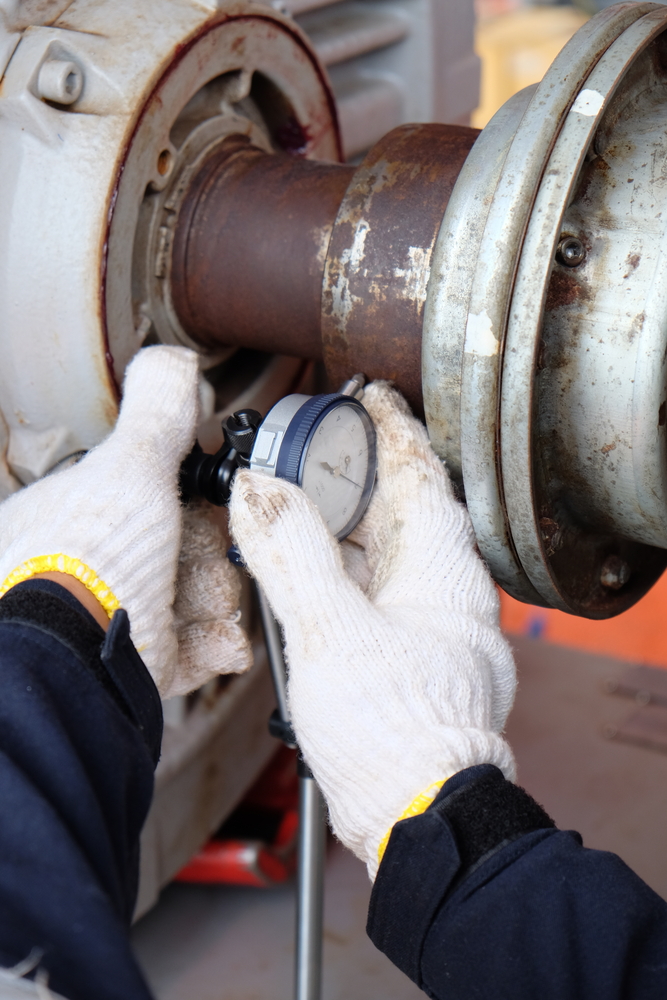
Shaft alignment by concept is a corrective maintenance task. The shaft is moved to achieve more efficient power transmission. Traditionally installing dial indicators, adjusting and measuring only to take readings and then not correct, is a useless task.
¿La alineación de ejes es mantenimiento predictivo?
La alineación de ejes por concepto es una tarea de mantenimiento correctivo. El eje es movido para lograr una transmisión de la potencia más eficiente. Tradicionalmente el poner los relojes, ajustar y medir solamente para tomar lecturas y luego no corregir, es una tarea absurda.
Why Is Nobody Reading Your Predictive Maintenance Reports?
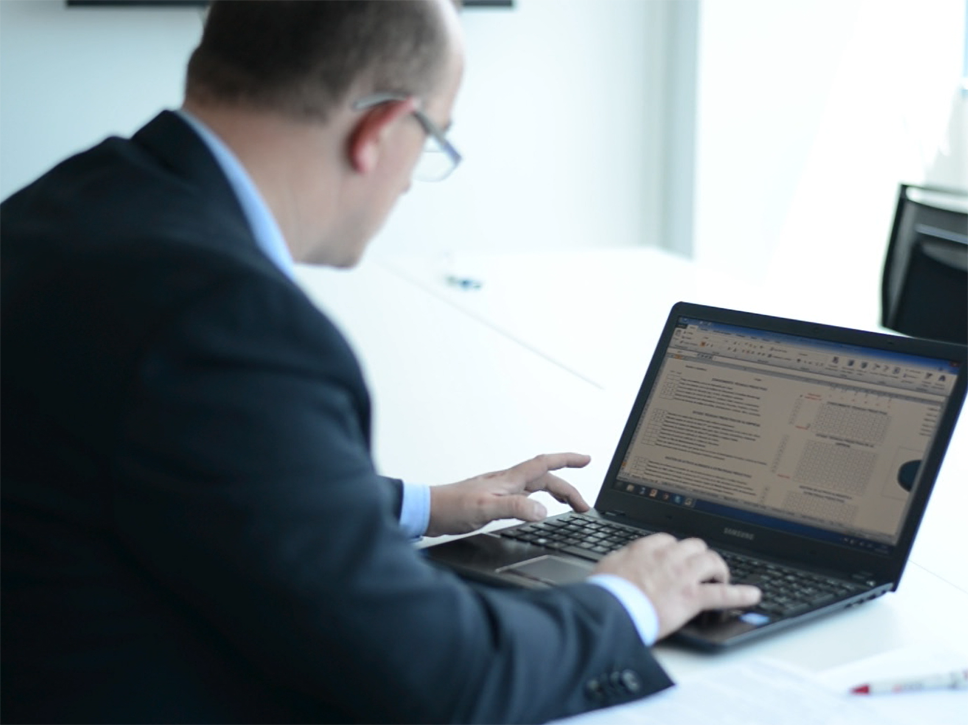
One of the main upsets of the predictive maintenance experts is that they state that nobody reads their reports. During meetings or when they speak to their clients, they realize that their reports have not been read. This is more common than you think.
Don’t you think it is a waste of time to be writing reports for nobody to read?
¿Por qué nadie lee tus informes de predictivo?
Uno de los principales disgustos de los expertos en mantenimiento predictivo es que afirman que nadie lee sus informes. En reuniones o cuando hablan con sus clientes se dan cuenta que no han leído los reportes. Eso es más común de lo que te imaginas.
¿No te parece una pérdida de tiempo pasar escribiendo reportes para que nadie los lea?
Espacios Ciber-físicos
La nueva revolución industrial, conocida como Industria 4.0 nos trae una nueva visión de cómo generar fábricas inteligentes. Así como la primera revolución industrial introdujo la producción mecanizada gracias a la máquina de vapor, la segunda la producción en masa gracias al motor eléctrico y la tercera la automatización de procesos gracias a los programadores lógicos controlables, la transformación digital de la industria se hará gracias al concepto de espacios ciber-físicos.
Cyber-Physical Spaces
The new industrial revolution, known as Industry 4.0, brings us a new vision of how to generate smart factories. The first industrial revolution introduced mechanized production with the steam machine, the second introduced mass production with the electric motor, and the third introduced process automation with PLCs; however, the digital transformation of the industry will take place thanks to the concept of cyber-physical spaces.
The Four Industrial Revolutions
When the German Federal Government presented the concept of Industry 4.0 at the Hannover fair in 2011, they did not calculate the media hype and the adoption of the concept, both in the industry and the broader society. Although the original idea was to create a multidisciplinary working team with academics and industry leaders to be able to create the master lines that should be followed by the productive German companies for their transformation into smart factories.
Las cuatro revoluciones industriales
Cuando el gobierno federal alemán presentó en la feria de Hannover del 2011 el concepto de Industria 4.0, no calcularon el revuelo mediático y la adopción del concepto tanto en la industria como en la sociedad. Si bien la idea original era crear un equipo de trabajo multidisciplinar con académicos y líderes de la industria para poder crear las líneas maestras que deberían de seguir las empresas alemanas productivas para su conversión en fábricas inteligentes.